← Back to Books
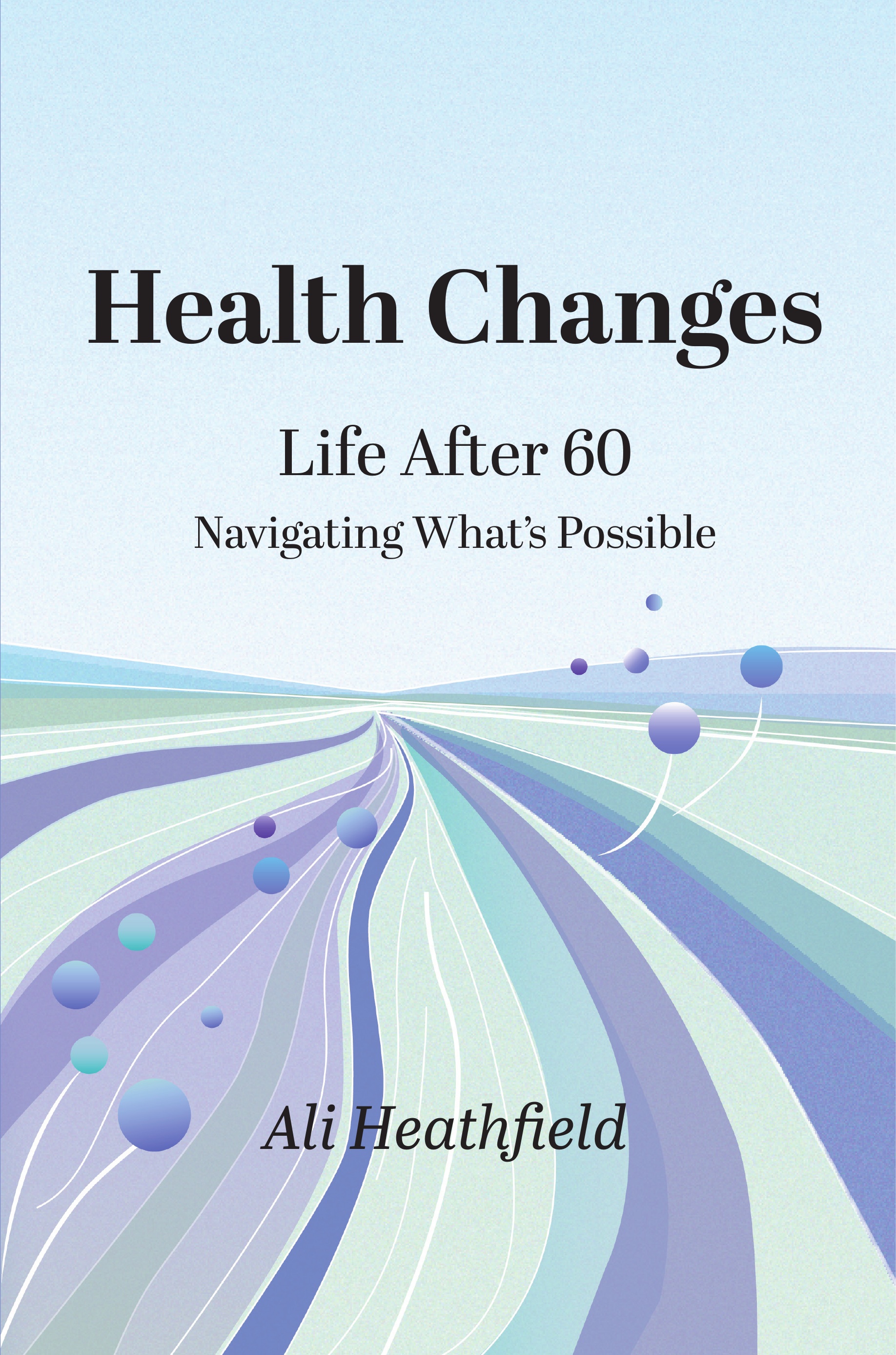
Health Changes workbook cover
The workbook

Health Changes

Life After 60: Navigating What's Possible

Health changes things.

Sometimes only a little. Sometimes much more. A change may mean adjusting a routine, managing medication, living with less energy or finding different ways to do things you have always enjoyed. At other times, health can reshape daily life, relationships, plans, independence and even how you think about yourself.

And sometimes it is not your own health that has changed, but the health of someone you love or care for. What matters is not whether anyone else considers the change minor or major. What matters is how it is affecting your life.

Health Changes is the practical workbook for the Health Navigator path within the Living Life Well Model. It helps you understand what the change is affecting, decide where your limited energy and attention may be most useful, and find practical ways to continue living a life that still contains connection, meaning and things that matter to you.

Coming October 2026

This workbook is for you

Health has started to affect everyday life.

Appointments, medication, symptoms, energy or physical limitations are taking up more space than they used to.

You are adapting to an ongoing condition.

Life continues, but you are having to make adjustments to accommodate what has changed.

A more significant health change has altered the plan.

Recovery, diagnosis or changing ability has affected how you live and what you can realistically do.

Someone you care for is experiencing health changes.

Their health is changing your routines, responsibilities, relationships or plans too.

You do not want health to become your whole identity.

You want to manage what needs managing without becoming permanently defined by being a patient or carer.

You need to know where to put your energy.

Several areas may feel affected at once, and you want a practical way to decide what matters most now.

What this workbook helps you do

Understand

See what health is affecting.

Health rarely sits in one neat compartment. Look beyond the medical issue itself and notice where the effects are showing up in identity, relationships, activities, finances, environment, purpose, community or plans.

Prioritise

Decide where your attention will help most.

You do not have to tackle everything. The workbook helps you identify where the greatest pressure is and where one useful change may make several parts of life easier.

Adapt

Find ways to live well within what is true now.

Make practical changes that respect your energy, circumstances and limitations while protecting the parts of life that still matter.

The change may begin with health. It rarely ends there.

Changes in what you can do may affect identity, confidence or purpose.

Less energy may change your activities.

That may affect relationships or community.

Medical costs may affect finances.

Appointments and medication may reshape routines.

The workbook calls this the cascade effect. Understanding the cascade helps you see the whole picture, rather than assuming that every difficulty has to be solved through better health management.

“You do not have to fix everything. You need to find where attention could make the greatest difference.”

The workbook uses the ten Living Life Well themes to show where the effects are strongest and where one small, intentional change may create positive ripples elsewhere.

How the workbook works

Start where you are, with the energy you have

One of the most important things about this workbook is that it is not designed to become another burden.

You can begin by checking your energy and willingness. If you are unsure where to focus, the Health Concern Check-In helps you see which areas of life are under the most pressure. If you already know what needs attention, you can go directly to the Quick Wins. And if you are ready to go deeper, you can work with individual Living Life Well themes.

There is no requirement to complete everything. You can use a little or a lot, stop when you need to, and return when circumstances change. The workbook explicitly allows for low, medium and higher-energy approaches, including times when the right choice is simply to put it down and come back later.

This is support, not homework.

Three ways to begin

Health Concern Check-In

When you are not sure where to start

See where the health change is creating the most pressure across your life and identify the areas that could benefit most from attention.

Quick Wins

When you need something useful now

Ten focused questions help you identify practical actions without having to work through the whole workbook first.

Theme Work

When you already know where you want to focus

Go directly to the Living Life Well theme that needs attention and work at whatever depth feels appropriate.

You do not have to start at page one. Start with what you need.

What you'll find inside

A Health Concern Check-In.

A structured way to see where health is affecting your wider life and decide what deserves attention first.

Quick Wins for immediate clarity.

Practical questions that help you identify useful actions without demanding a large amount of time or energy.

The ten Living Life Well themes.

Work more deeply with health, identity, narrative, meaning and purpose, finance, environment, activities and interests, relationships, community and planning.

Ways to keep living beyond health.

Explore what helps you retain identity, connection, interests, contribution and a sense of ordinary life alongside whatever needs to be managed.

You are more than what your health is doing.

Health may need attention without being allowed to occupy every part of life. The workbook looks at questions such as:

How do I hold on to who I am?

What can I adapt rather than give up?

How do I stay connected?

What still gives my life meaning?

What would make everyday life easier?

Where do I need more information or support?

The aim is not perfect health management. It is to help health take up no more of your life than it needs to.

Work at your own pace

If your health improves, circumstances shift or another Living Life Well path becomes more relevant, you can change direction.

Do I need to read Not Done Yet first?

No.

Health Changes stands on its own. Not Done Yet introduces the whole Living Life Well Model and the three paths. This workbook takes the Health Navigator path and gives you a practical way to work with the effects of health change across your life.

If this is where you recognise yourself, you can start here.

Find out more about Not Done Yet →

Health may have changed the plan. It does not have to become the whole plan.

Health may affect what you can do, how you do it, or how much energy you have available.

Health Changes helps you understand those effects, decide what matters most now and find practical ways to adapt while holding on to identity, connection, meaning and the parts of life that still feel like yours.

Coming October 2026